
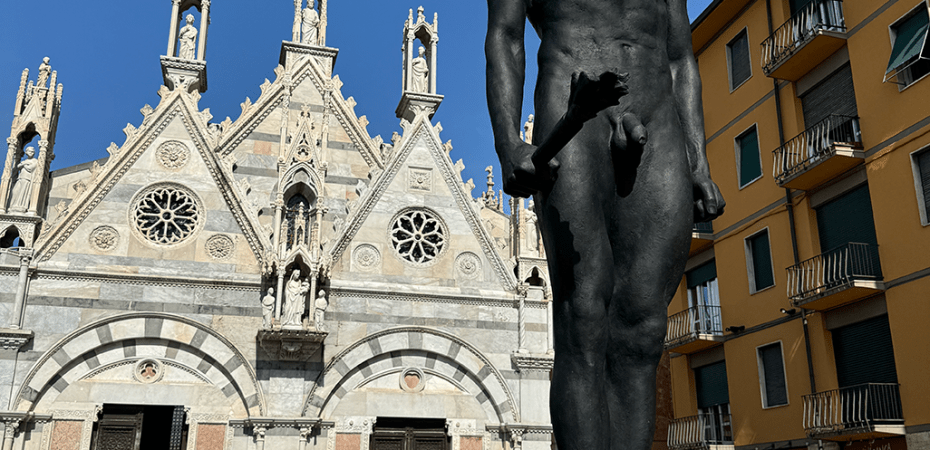
 The art exhibition “Exodus” by Alexey Morosov, hosted at the Santa Maria della Spina in Pisa, Italy, presents a profound dialogue between classical and contemporary art. This exhibition, part of a larger series installed throughout the city, is a testament to Morosov’s unique ability to intertwine historical narratives with post-modern aesthetics. Curated by Gian Guido Grassi and organized by the Municipality of Pisa in collaboration with Palazzo Blu and the Start Attitude association, “Exodus” serves as the third installment in a trilogy that seeks to explore the cultural and historical matrices of European identity.
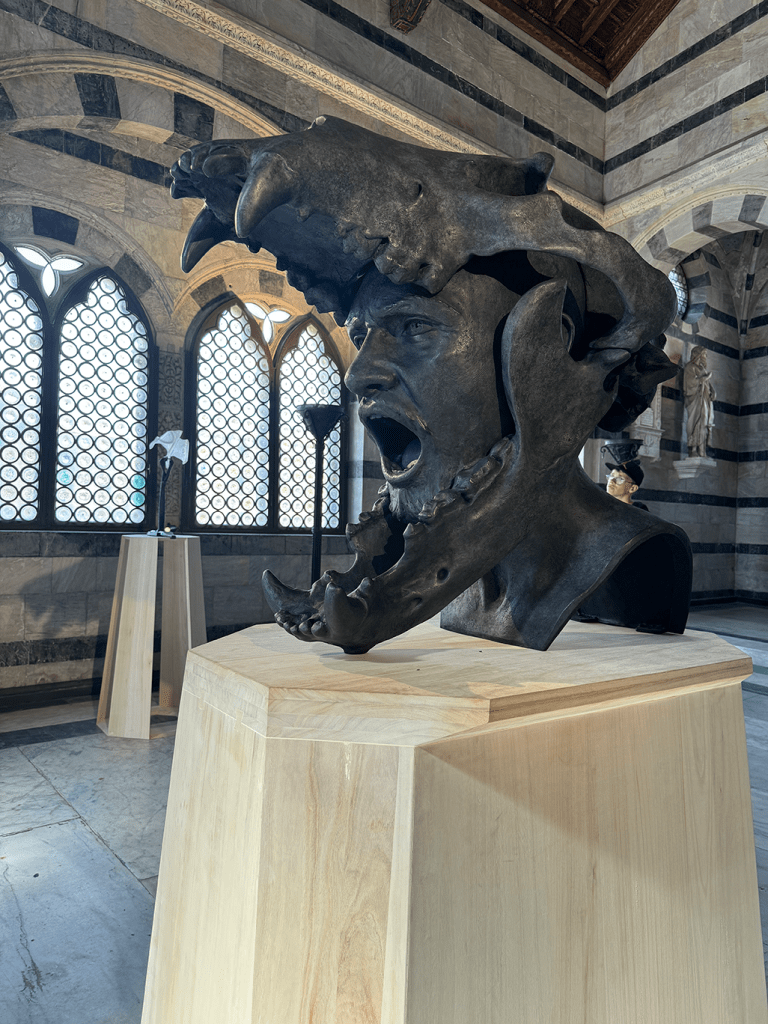
Alexey Morosov, an artist originally from Kyrgyzstan and now based in Lucca, Italy, draws deeply from Hellenistic culture and humanism. His work is characterized by an exploration of myth, history, and the human condition through the lens of post-modernity. “Exodus” reflects Morosov’s philosophical approach to time and history, which he views as fluid, overlapping, and interconnected. This conceptual framework is evident in his use of classical forms and materials, such as bronze, juxtaposed with modern themes like cyberpunk and post-apocalyptic scenarios.
The exhibition’s title, “Exodus,” evokes themes of migration, displacement, and the search for identity—topics that resonate deeply in the current global context. Through his sculptures, Morosov not only revisits ancient myths but also reinterprets them in a manner that speaks to contemporary concerns. The fusion of classical iconography with modern technological and social anxieties creates a narrative that is both timeless and timely.
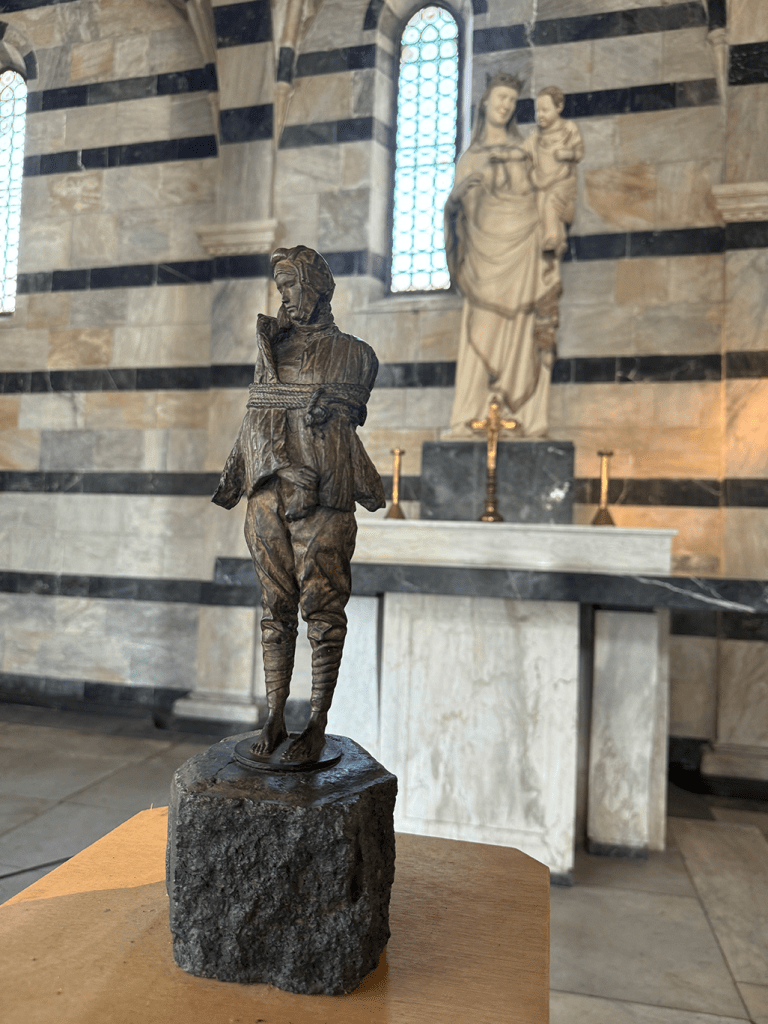
The choice of the Santa Maria della Spina as a primary venue for “Exodus” is significant. This Gothic church, built in 1230 to house a relic of Christ’s crown of thorns, is a symbol of Pisa’s rich historical and religious heritage. The setting amplifies the thematic depth of Morosov’s work, creating a dialogue between the sacred and the secular, the ancient and the modern. The exhibition also extends to other iconic locations in Pisa, including the Piazza dei Miracoli, the Fortilizio with the Torre Guelfa, and the exterior of Palazzo Blu, further embedding the artwork within the city’s historical narrative.
The sculptures are strategically placed to create a path through Pisa that mirrors a journey through time. Starting at the Piazza dei Miracoli, a site steeped in medieval history, and ending at the Fortilizio with the Torre Guelfa, a symbol of Pisa’s military past, the exhibition invites viewers to engage with the city itself as a living museum. Each location not only enhances the impact of the sculptures but also reinforces the exhibition’s exploration of history, memory, and identity.
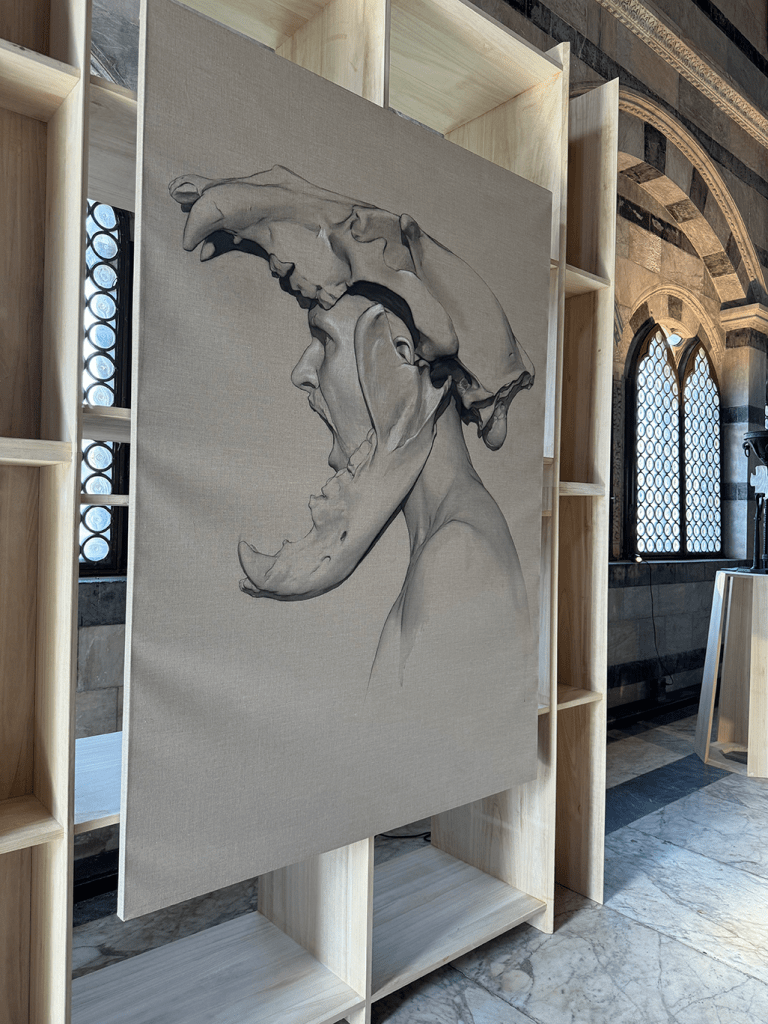
Morosov’s work is distinguished by his mastery of both traditional and contemporary artistic techniques. A graduate of the Surikov Art Institute and a former student of the Moscow State Academy, Morosov has honed his skills in sculpture, painting, and drawing, often blending these disciplines to create multifaceted works. His sculptures in “Exodus” are monumental, evoking the grandeur of Soviet Realism while incorporating symbols and motifs from Mediterranean and cyberpunk cultures. This synthesis of styles reflects Morosov’s belief in the interconnectedness of different historical epochs and cultural traditions.
One of the central themes of “Exodus” is the idea of form as an ontological concept. Morosov’s sculptures are not merely representations of physical objects but are imbued with philosophical meaning. For example, his use of bronze, a material traditionally associated with durability and permanence, contrasts with the transient and mutable nature of the post-industrial world he depicts. This tension between permanence and impermanence, between the ancient and the modern, is a recurring motif in Morosov’s work.
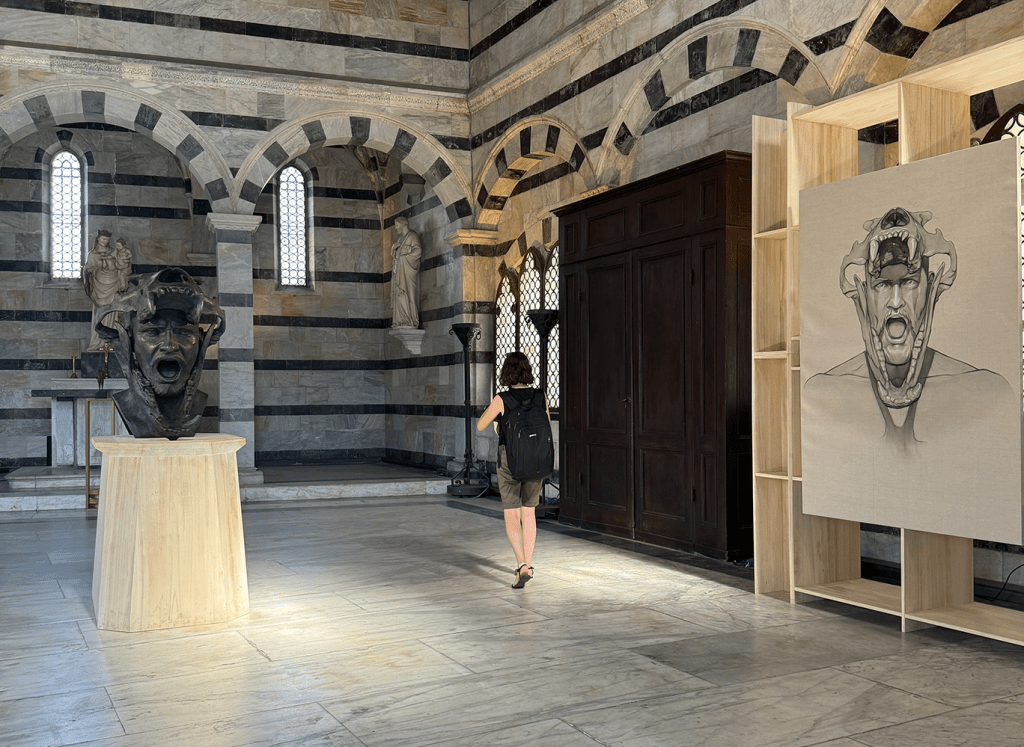
“Exodus” has been met with critical acclaim for its ambitious scope and intellectual rigor. Filippo Bedini, Pisa’s councilor for culture, praised Morosov for his ability to blend classicism with contemporary sensibilities, highlighting the exhibition’s relevance to current cultural and social debates. The exhibition has also been noted for its innovative use of public space, transforming the city of Pisa into an open-air gallery that invites both residents and visitors to reflect on the intersections of history, art, and society.
Massimiliano Angori, president of the Province of Pisa, remarked on the power of Morosov’s sculptures to “shout and reproach,” underscoring the exhibition’s emotional and political resonance. In a world still grappling with the aftermath of the COVID-19 pandemic and ongoing geopolitical conflicts, “Exodus” serves as a poignant reminder of the enduring human desire for peace, stability, and identity.
“Exodus” by Alexey Morosov is a landmark exhibition that challenges viewers to reconsider their relationship with history, art, and culture. Through his masterful use of form, material, and narrative, Morosov creates a body of work that is both deeply rooted in the past and strikingly relevant to the present. The exhibition not only affirms Morosov’s place as one of the leading contemporary artists but also contributes to the ongoing dialogue about the role of art in understanding and shaping our world.
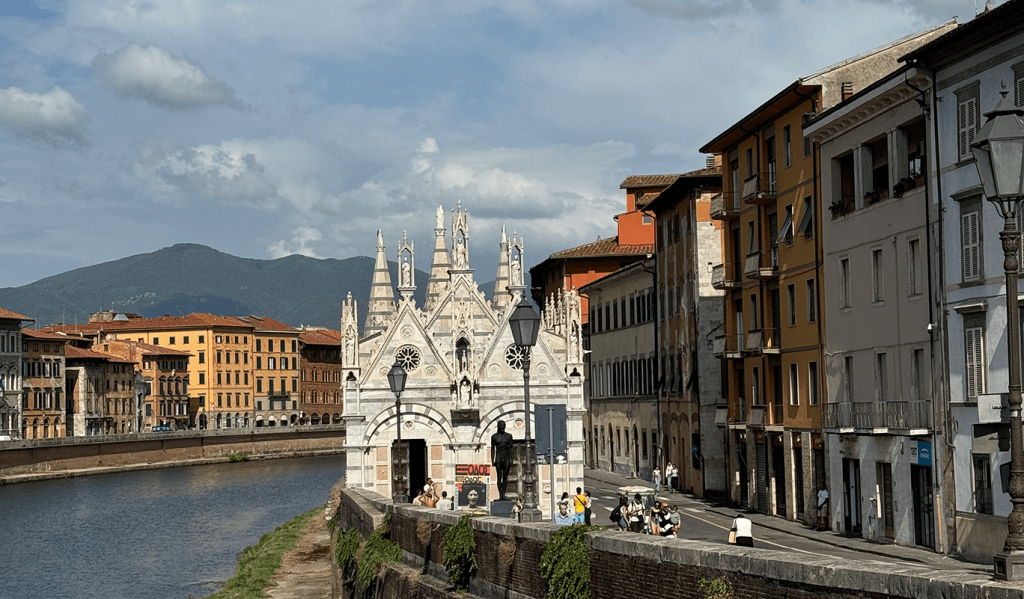
The exhibition venues (Church of Santa Maria della Spina and Fortilizio) From Saturday 22 June to Sunday 29 September. Open on Tuesday to Sunday from 10 a.m. to 1 p.m. and from 4 p.m. to 8 p.m. Closed on Mondays.
Discover more from Art Sôlido
Subscribe to get the latest posts sent to your email.
 Art Sôlido