
by Piter Ortega Núñez
From Canvas to Culture, and Fitness to Freedom
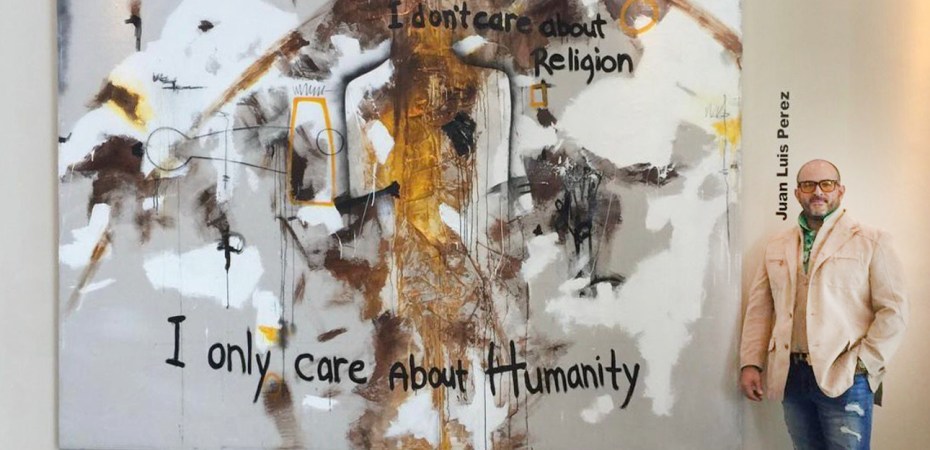
 Born in Havana and based in Miami, Juan Luis Pérez is a self-taught contemporary artist whose work resists categorization. He defines his practice through freedom of choice—changing style “as if changing clothes,” refusing academic dogmas, and working instinctively across materials and techniques. His paintings operate as social portraits of the human condition: urgent, physical, and emotionally charged.
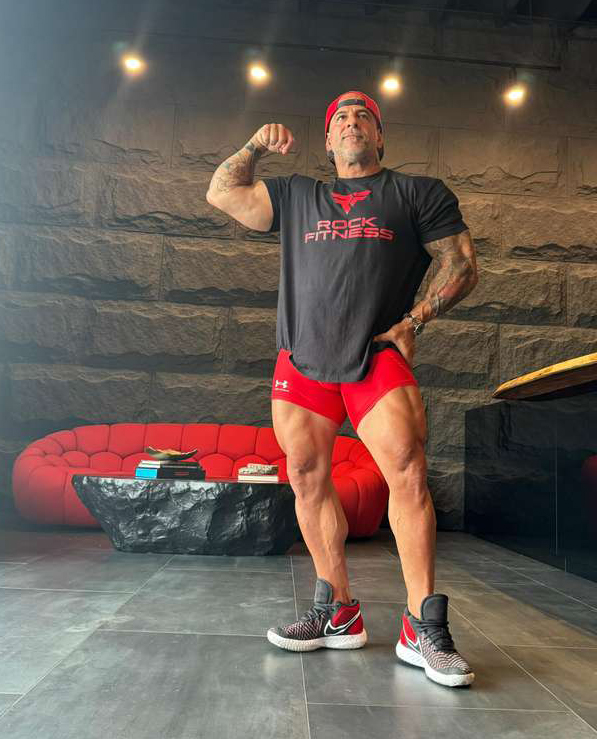
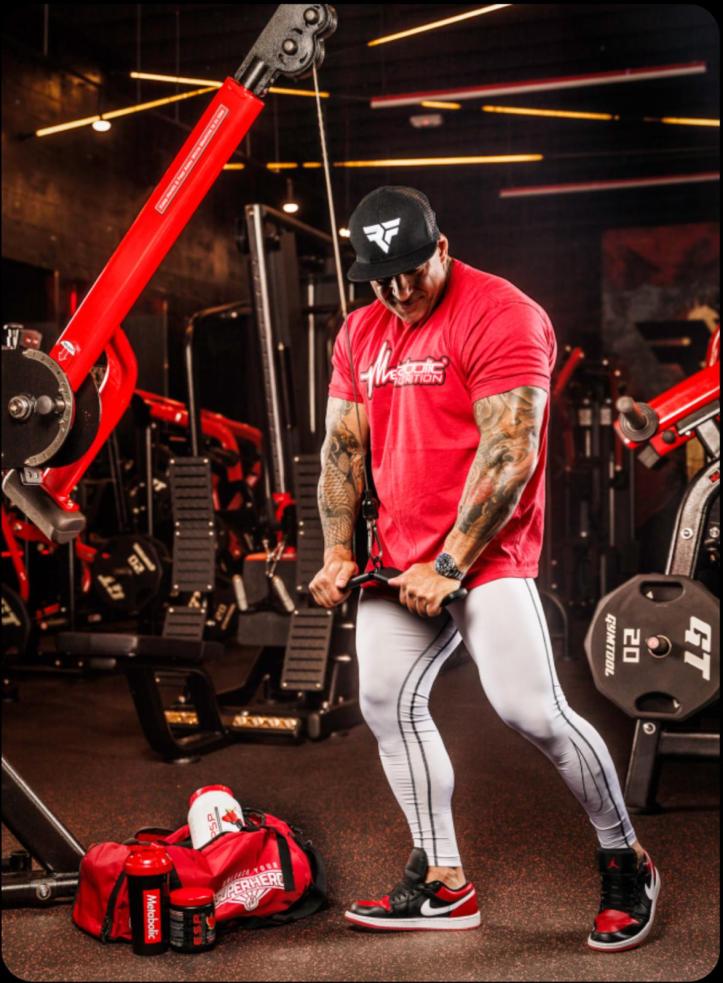
That same intensity fuels another facet of his life: Rock Fitness, a luxury boutique gym concept in South Florida that merges elite performance, intentional design, and a disciplined culture of training. This conversation explores how art and fitness converge into a single philosophy of life—where creation, repetition, and strength become forms of meaning.
About His Art and Creative Journey
1. Your work is often described as difficult to categorize. Is that intentional?
Juan Luis Pérez: Absolutely. I don’t believe in fixed categories. I change style as if I were changing clothes because art, for me, is freedom of choice. The moment a style becomes a rule, it stops being honest. I’m not interested in trends or fashions—I’m interested in what feels true at a given moment.
2. You’ve spoken about staying away from fads and trends. What does that independence protect in your work?
Juan Luis Pérez: It protects authenticity. Trends can be seductive, but they’re also temporary. If you follow them, you end up producing echoes. Independence allows me to work from instinct and necessity, not from expectation. That’s the only way I can stay connected to real inspiration.
3. Being self-taught is central to your identity. Why was resisting academic dogma important to you?
Juan Luis Pérez: Because dogma can become a cage. I respect academic knowledge, but I don’t believe creativity should obey rigid formulas. Being self-taught gave me the freedom to experiment, to fail, to invent my own language without permission.

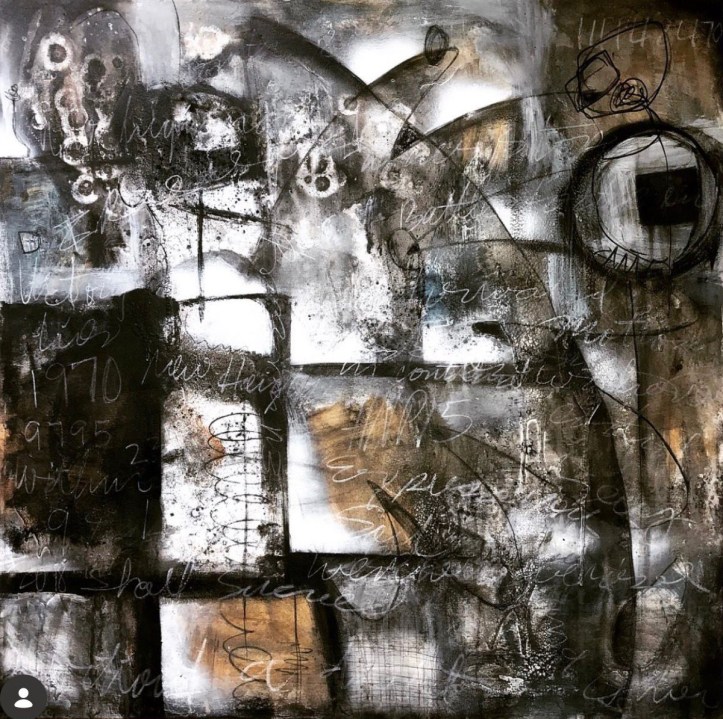
4. Your materials are diverse—oils, acrylics, charcoal, resins, newspaper, gesso. What draws you to that mix?
Juan Luis Pérez: Each material has a temperament. I like the tension that happens when dissimilar elements collide. The spatula, for example, became central in my work because it allows movement, force, and immediacy. I’m also drawn to monochromatic palettes and rough textures—they speak more directly to emotion.
5. What themes consistently return in your art?
Juan Luis Pérez: Human beings and their conflicts. My work is essentially social portraiture. I’m interested in the pressure points of our time—identity, displacement, contradiction, connection. Even when the imagery changes, that concern remains.
6. You once said, “If I think of something and I feel it, I create it.” How does intuition guide your process?
Juan Luis Pérez: Intuition is the engine. I don’t start with a strict plan. Feeling and concept arrive together. Rules don’t apply to my world; the work reveals itself through action. Painting is a physical act for me—almost athletic.
7. Your work often reflects dialogues between cultures. How does that appear visually?
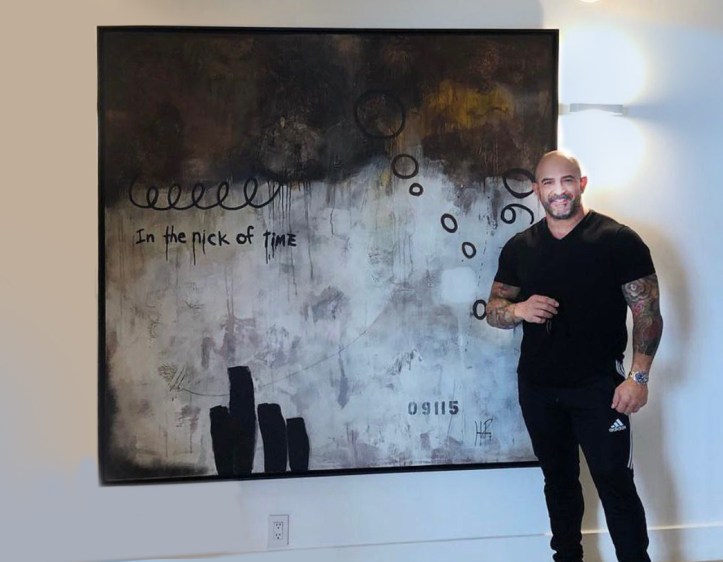
Juan Luis Pérez: Through tension and coexistence. East and West, different societies, different symbols—yet one human condition. I’m interested in how cultures differ on the surface but share the same emotional core.
8. One of your recognized works speaks about unity in a fragmented world. Why is connectedness important to you?
Juan Luis Pérez: Because we live in a time of separation disguised as communication. I’m interested in what still binds us together. Even conflict can be a form of connection.
From the Studio to the Gym: Rock Fitness
9. What inspired you to create Rock Fitness?
Juan Luis Pérez: Rock Fitness was born from discipline. Training has always been part of my life, and I saw fitness as another form of craft. I wanted to create a space where performance is taken seriously—where people train with intention and expect excellence.
10. Why was design as important as training in Rock Fitness?
Juan Luis Pérez: Because environment shapes behavior. Design is not decoration—it’s structure. A well-designed space reinforces commitment, focus, and respect for the process. That’s as true in a gym as it is in a studio.
11. Do you see parallels between art and fitness?
Juan Luis Pérez: Completely. Both demand repetition, patience, and discipline. In art, you build a visual language; in fitness, you build a body. Both are about consistency over time.
12. The phrase “Train Like a Pro. Live the Luxury Grind™” defines Rock Fitness. What does it mean to you?
Juan Luis Pérez: It means intensity without compromise. You can grind hard and still demand quality—coaching, equipment, experience. Luxury, for me, is precision and standards, not excess.
13. How do you balance being an artist and leading a fitness brand?
Juan Luis Pérez: They balance each other. Art keeps me open and experimental; fitness keeps me grounded and disciplined. One feeds the other.
Looking Ahead
14. What do you hope people take away from your paintings and sculptures?
Juan Luis Pérez: A confrontation with themselves—with what’s human, fragile, and unresolved. I don’t want comfort; I want recognition.
15. What do you hope people experience at Rock Fitness?
Juan Luis Pérez: Respect for the process. A sense that excellence is built daily, through discipline and intention.
16. Do you see future projects where art and fitness intersect more directly?
Juan Luis Pérez: Yes. I’m interested in creating experiences where movement, space, and visual language coexist—events, installations, collaborations. The body and the image speak the same language of effort.
Closing
Juan Luis Pérez’s work—on canvas and in the gym—argues for a single truth: discipline is creative, and creativity is physical. Whether through the force of a spatula or the repetition of a lift, his practice insists on intention, freedom, and the courage to build one’s own rules.
⸻
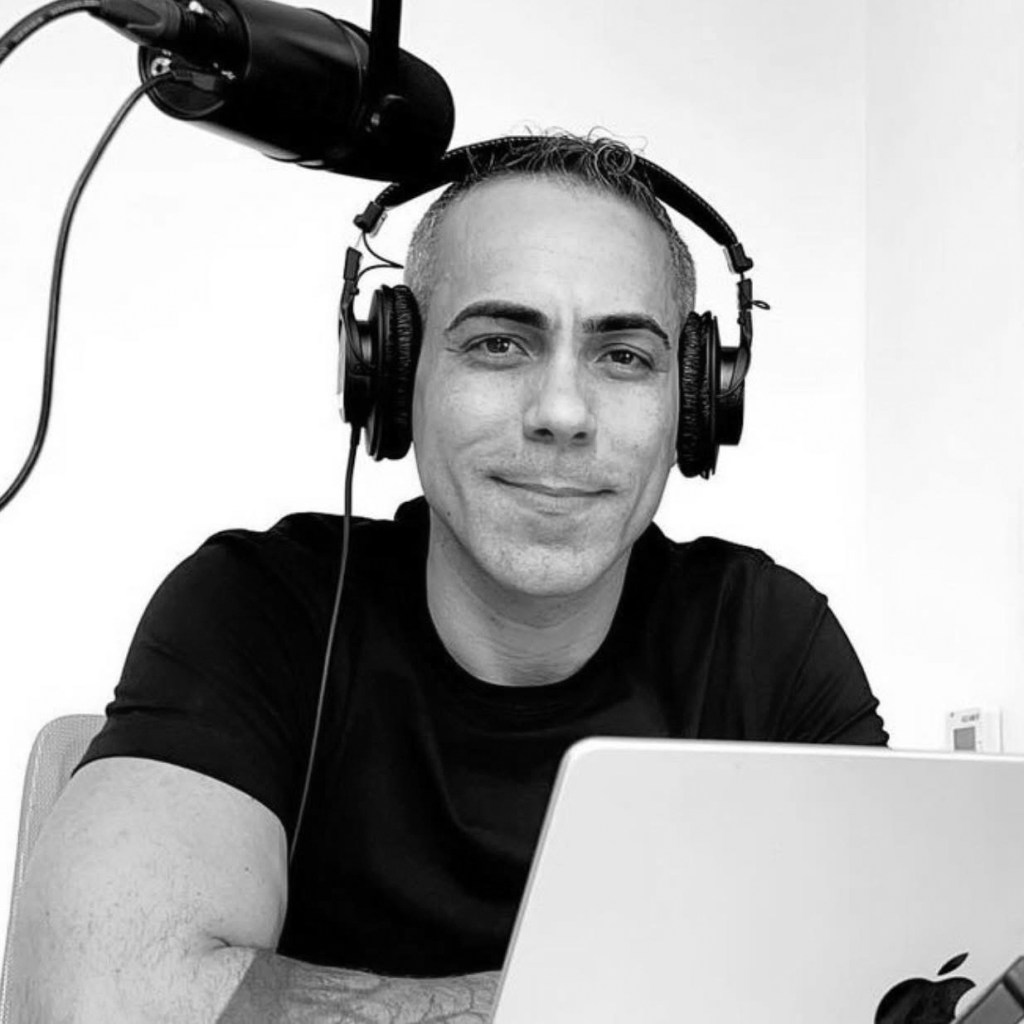
Piter Ortega Núñez (Havana, 1982) is an art critic, curator, and journalist. He holds a Master’s degree in Journalism from the City University of New York (CUNY) and a Bachelor’s degree in Art History from the University of Havana. In 2022, he received an Emmy Award for his work as a reporter at WXTV–Univision 41 New York. In 2008, he was awarded Cuba’s National Art Criticism Award “Guy Pérez Cisneros.” He is the author of four books on visual arts, including ¿Cómo se interpreta una obra de arte? (How to Interpret a Work of Art), and has curated dozens of solo and group exhibitions. He is the founder and director of TV Mi Gente and TVG Arte, independent platforms dedicated to art, culture, politics, social issues, health, spirituality, and conversations that challenge conventional narratives. Ortega lives and works in New York City.
Discover more from Art Sôlido
Subscribe to get the latest posts sent to your email.
 Art Sôlido