

 The Whitney Biennial has long been hailed as a bellwether of contemporary art, a crucible where the hottest topics and most pressing issues of the day are given form and voice. However, the 2024 edition, titled “Even Better Than the Real Thing,” has sparked controversy and debate, with critics questioning the depth and impact of its offerings.
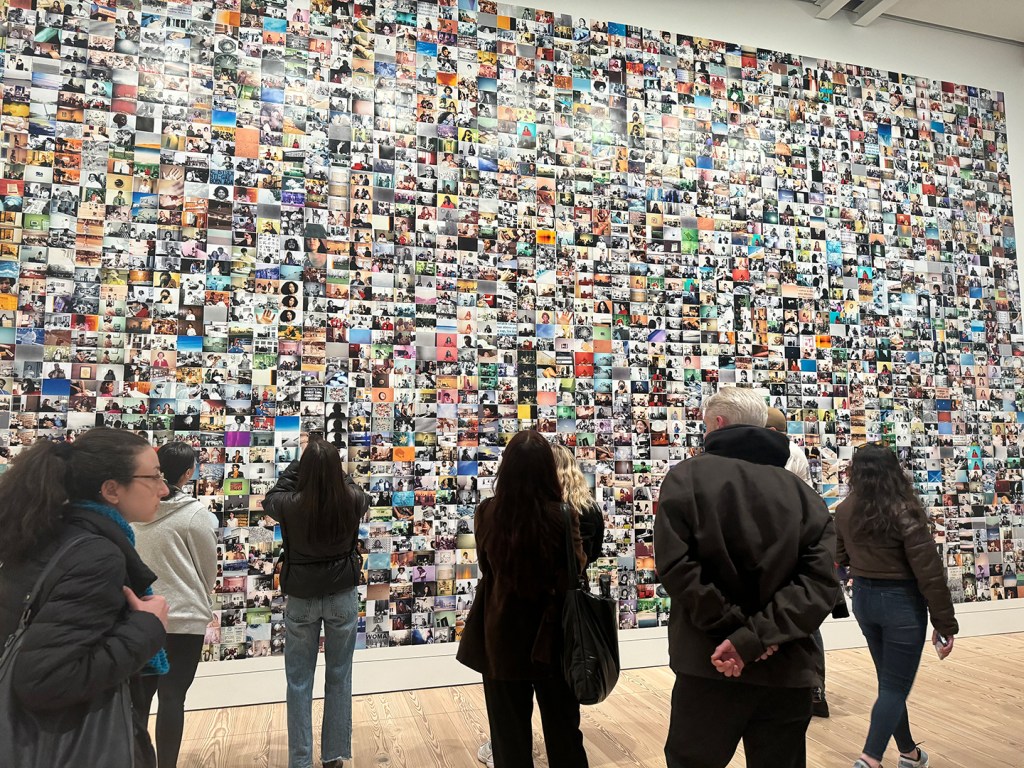
Once considered a bastion of insider discourse within the art world, the Whitney Biennial has undergone a transformation in recent years. No longer confined to the rarefied circles of gallerists and curators, it now presents itself as an outward-facing event, inviting the broader public to engage with art and culture. While this shift towards accessibility is commendable, it has also raised concerns about the dilution of the Biennial’s once-incisive edge.

The title itself, referencing a U2 song from 1991, sets the stage for a discourse on artificial intelligence (AI) and the blurring lines between reality and simulation. However, the actual representation of AI-related themes within the exhibition is sparse, overshadowed by a preoccupation with more traditional subjects such as Gaza, climate change, and the aftermath of the pandemic. This raises questions about the coherence and relevance of the overarching theme.
Furthermore, despite the diverse backgrounds of the seventy-one participating artists and collectives, the aesthetic of the Biennial is characterized by its familiarity and predictability. Critics argue that while the subject matter may be contemporary, the forms and styles employed by many of the artists harken back to earlier decades, resulting in a sense of stagnation rather than innovation.

Indeed, while there are certainly standout works within the Biennial that offer fresh perspectives and incisive commentary on the contemporary moment, they are often overshadowed by a sense of complacency and conservatism. As art critic Jerry Saltz, notes, “most of what you see could have been made in the 1970s, 1980s, or 1990s; the forms and styles are old. Only the subject matter is new.”
However, proponents of the Biennial argue that it serves as a vital platform for artists grappling with pressing social and political issues, providing a space for difficult ideas to be engaged and considered. They point to the exhibition’s subtitle, “Even Better Than the Real Thing,” as a nod to the complexities of authenticity and identity in an age of AI and heightened political polarization.
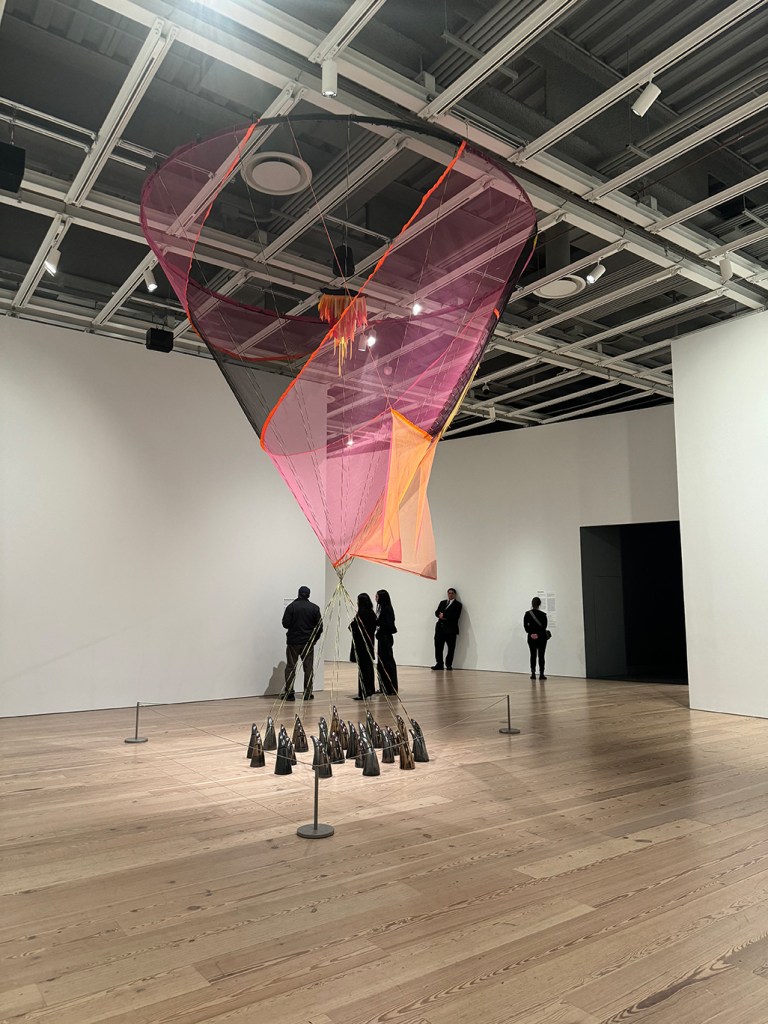
Ultimately, the Whitney Biennial 2024 showcases a diverse array of works, yet it fails to capture the intricacies and paradoxes of the present age. While it succeeds in amplifying important voices and provoking thought on pressing issues, it also falls short of fully realizing its ambitious aims, leaving critics and audiences alike questioning the quality and impact of contemporary art in an increasingly fractured world, wondering if this is the real thing.
WHITNEY BIENNIAL 2024
MAR 20–AUG 11, 2024
Discover more from Art Sôlido
Subscribe to get the latest posts sent to your email.
 Art Sôlido
me lo manda en Español ________________________________
LikeLike