

 There is something about an empty city that aches. Henry Ballate’s Echoes of Absence walks into this ache with arms open, embracing its cold edges and its unspoken ghosts. His exhibition isn’t simply a nod to urban loneliness—it’s a symphony of isolation, played on the strings of art history, where every echo finds a shadow, and every absence holds its breath. This body of work is characterized by a profound engagement with established artistic references, where Ballate reinterprets and transforms classic art pieces to conceptually align them with contemporary themes of desolation.
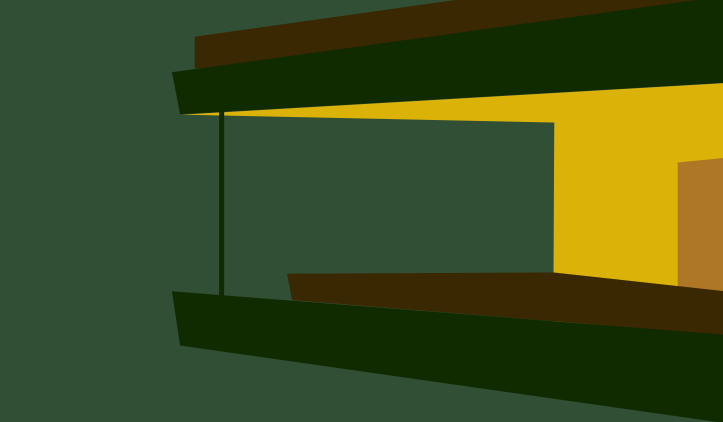
Ballate’s artistic journey is informed by his rigorous training and eclectic influences, which began in Cuba and were further enriched in Italy and the United States. His academic foundation, including a BFA and MFA in Visual Arts, has equipped him with a unique lens through which he addresses art history, ideas of human identity and societal challenges. Ballate’s previous works exhibitions have demonstrated a talent for weaving together history and personal narrative, and this latest work is no exception.
In Echoes of Absence, Ballate reimagines iconic masterpieces by Leonardo da Vinci, Caravaggio, Giorgio de Chirico, and others, alongside Edward Hopper’s emotionally charged urban landscapes. Those works have always carried a pulse—figures poised in motion, caught between intention and action. But in Ballate’s hands, those figures dissolve. What’s left? The walls, the windows, the light. The stillness becomes the story. Hopper’s Nighthawks without the diners. Morning Sun without the woman. It’s not just subtraction—it’s amplification. By removing figures and focusing solely on the architectural elements of these artworks, Ballate amplifies the sense of absence, transforming once-bustling scenes into desolate spaces. By erasing presence, Ballate makes us feel its loss more keenly. Suddenly, these once-busy scenes are deserts of the human spirit, mirroring the emptiness. By stripping these works of their human, Ballate invites viewers to reflect on their own experiences of grief and loss during a global crisis, where the city becomes both a haunting ghost and a poignant canvas for memory. This abstraction mirrors the stark reality of a nearly empty New York City during lockdown, evoking a profound sense of isolation.
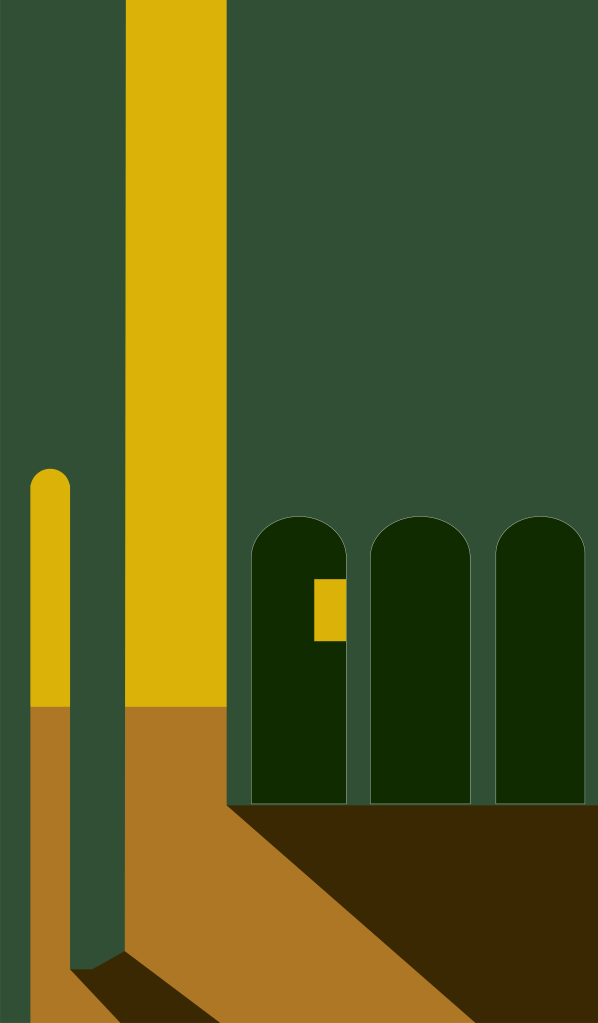
The city, he tells us, is not a city without its people. And yet, here it is: abandoned, stark, waiting. Ballate’s palette speaks in whispers—green, yellow, ocher. Not the saturated greens of spring or the yellows of joy, but muted tones, heavy with nostalgia. Light enters his paintings like an old friend, carrying both hope and the weight of memory. It stretches thin over empty tables, glows faintly through forgotten windows. Each color holds a quiet duality: hope and grief, presence and absence, the city as it was and as it has become. The simplicity of his minimalist approach accentuates the drama inherent in these urban landscapes, creating a visual language that communicates complex feelings of solitude and longing. Light, as a recurring motif in his work, serves as a sliver of hope within the pervasive shadow and absence—a stark contrast that resonates deeply with viewers.
Ballate’s thematic focus on urban loneliness transcends artistic exploration, reflecting a deeply personal narrative. His work blends reinterpretations of iconic pieces with personal visions, creating moments where viewers may mistake instant reality for references or influences. Having endured his own challenges during the pandemic, Ballate channels these experiences into his art, inviting viewers to connect with shared moments of humanity. But this isn’t just about cities or their emptiness. It’s personal. Ballate’s journey carries its own exiles and distances. These works don’t just echo his absence—they echo ours. That friend you haven’t seen. That voice you can no longer call. Ballate invites us to stand in these empty streets, not just to grieve, but to remember.

Ballate’s art has always found unique ways to bridge the past and present, celebrating the interconnectedness of global narratives, which is even more evident in this body of work. His deliberate curation of references to art history reflects a deep appreciation for the influences that have shaped his artistic identity while also remaining relevant to current societal issues. And memory is where the magic happens. These works hold a mirror to us, but not in the way you’d expect. They take us back, yes but they also push us forward. They make us ask: what happens after the silence? What will we fill these empty streets with, now that we’ve seen them so bare? The absence, of course, is a heavy thing. But Ballate doesn’t leave us there. His light—the same light that lingers in Hopper, that slices through Caravaggio—is a whisper of resilience. A reminder that emptiness is not an ending.
Echoes of Absence highlights not only a skilled artist but also a curator of collective memory. When confronted with Ballate’s works that reinterpret familiar and iconic pieces of art, the viewer is likely to experience a complex emotional response that intertwines nostalgia, longing, and introspection. The simplicity of the compositions and the limited color palette creates an emotional tension that encourages viewers to pause and reflect. The absence of human in these otherwise bustling scenes evokes a sense of desolation that can be both haunting and thought-provoking. The viewer may be reminded of the original contexts of these pieces—moments of communal gathering and warmth. The transformation of these scenes into desolate landscapes invites viewers to reflect on what has been lost, both in art history and in their own lives. This nostalgia can evoke a longing for pre-pandemic times, when the city thrived with energy and human connection.

What is a city, if not its echoes? The laughter that once rang out, the footsteps that filled its streets. Ballate takes those echoes and holds them up to the light. He shows us the emptiness so we can remember the fullness. He lets us linger in the shadow so we can crave the return of the sun. And in the end, he doesn’t give us answers. He gives us space—space to grieve, to reflect, to hope. Because in that space, in that absence, something begins again.
Henry Ballate’s art elicits a rich tapestry of emotions by recontextualizing familiar images into desolate, human-free scenes. This transformative approach enables viewers to engage with deeper themes of memory, absence, and hope, ultimately fostering a profound connection to both the artwork and their own experiences during a time of uncertainty.
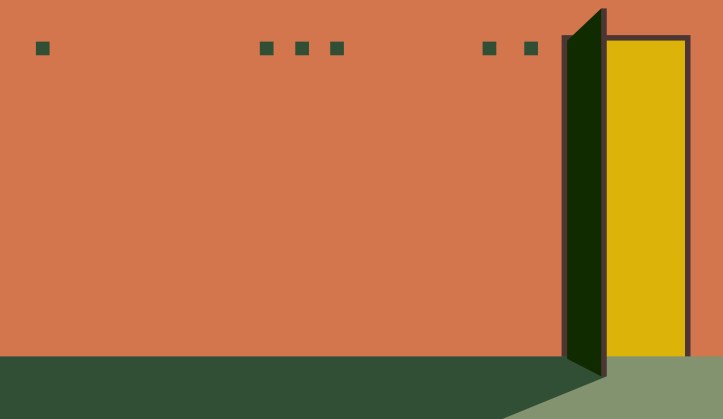
Echoes of Absence serves as a powerful commentary on the loneliness experienced in urban environments, particularly within the context of New York City during the Covid-19 pandemic. Through his innovative interpretations of iconic artworks, the artist confronts viewers with the stark realities of absence and memory while simultaneously offering a glimmer of hope through light and color. This exhibition is a testament to the enduring power of art to articulate and process shared human experiences, inviting deeper reflections on our urban landscapes and the lives we lead within them.
Echoes of Absence isn’t just art—it’s a map of loneliness, a window into memory, a hand extended toward hope. It tells us: this city, this life, this loneliness—it is ours. And it is beautiful, even in its quiet. Especially in its quiet.


https://www.miamiartstudio.com
Discover more from Art Sôlido
Subscribe to get the latest posts sent to your email.
 Art Sôlido
lovely! 45 2025 Echoes of Absence: Exploring loneliness in urban spaces during a time of uncertainty. outstanding
LikeLike