
Collecting, Philanthropy, and the Continuity of Cuban Art at the Museum of Arts & Sciences in Daytona Beach
 In the history of a museum collection, a donation means far more than the addition of a group of objects. It moves artworks from the private sphere into the public patrimony and, in some measure, determines what part of a culture will remain accessible to future generations. At the Museum of Arts & Sciences (MOAS) in Daytona Beach, Florida, two donations made more than six decades apart reveal not only the evolution of Cuban art, but also a tradition of Cuban collecting and philanthropy beyond the Island.
The first took place in 1957, when Fulgencio Batista, then president of the Republic of Cuba, and his wife, Marta Fernández Batista, donated an important group of Cuban artworks to the city and people of Daytona Beach. The second belongs to our own time and centers on collector Leonardo Rodríguez. Separated by more than sixty years and radically different political and social circumstances, the two donations now converge within the same institution, establishing a dialogue that spans much of Cuba’s modern and contemporary history.
A Cuban Collection Outside Cuba
Batista’s relationship with Daytona Beach preceded the donation. After completing his first presidential term in 1944, he established a residence there and maintained close ties with the city for years. In 1957, he and Marta Fernández Batista presented the museum with an important group of paintings and objects related to Cuban history and culture. The inscription commemorating the gift states that the collection was presented to “the city and people of Daytona Beach.”
Beyond any political assessment of Batista, whose career included both a constitutional presidency and the 1952 coup d’état, the donation should also be considered within the history of Cuban collecting and cultural patronage, in which Marta Fernández Batista occupies an important place. The original collection included approximately fifty paintings and more than forty objects and continued to grow through subsequent acquisitions and donations, eventually forming a group of approximately 150 works.
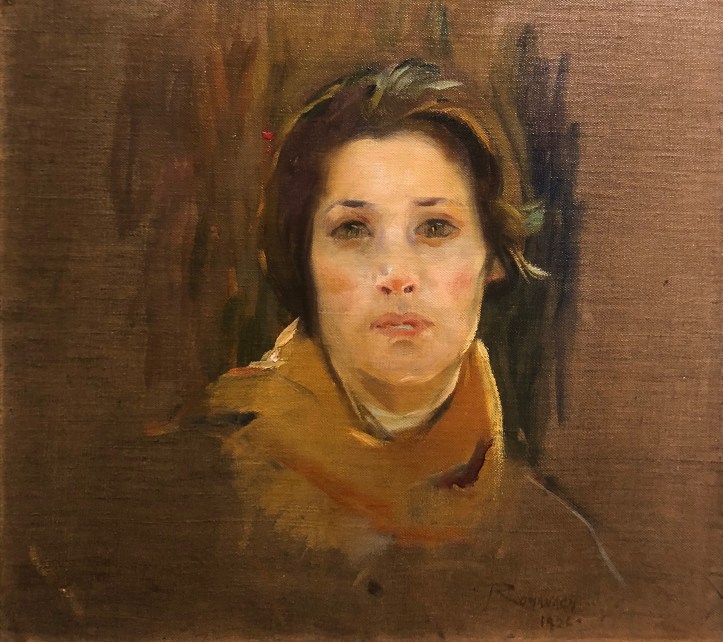
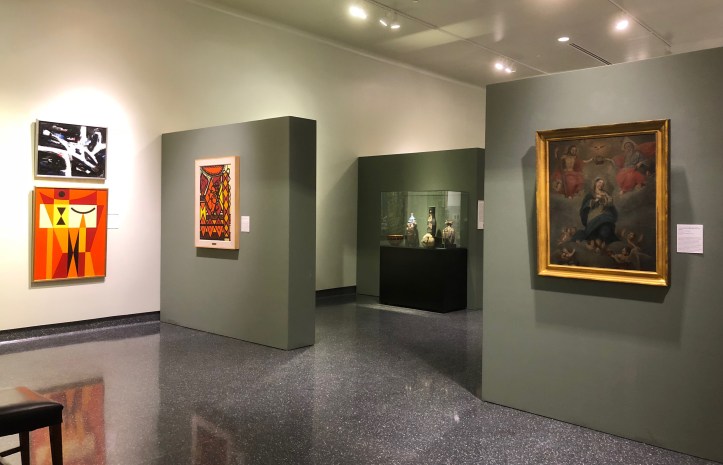
Among the artists represented are major figures such as Leopoldo Romañach, Armando García Menocal, Víctor Manuel, Eduardo Abela, Carlos Enríquez, Amelia Peláez, René Portocarrero, Mirta Cerra, Sandú Darié, and Guido Llinás. After 1959, the collection acquired an additional historical significance. The Revolution transformed Cuba’s cultural institutions and private property; collections were nationalized, families left the country, and numerous artworks began new lives beyond the Island. The Daytona collection, however, had arrived earlier, becoming almost inadvertently a time capsule from before that historical rupture.
More Than Sixty Years Later
For more than twenty years, Leonardo Rodríguez assembled an extensive collection with particular attention to Cuban and Cuban American art. In 2016, he decided to open part of that private experience to the public through the creation of the Kendall Art Center, conceived as a space for exhibitions, publications, and collaborations with artists, museums, and academic institutions.
Since then, Rodríguez and his collection have developed collaborations with several museums throughout Florida, as well as with major national institutions, including the Smithsonian Institution in Washington, D.C. This activity has also extended internationally, with projects and collaborations in countries such as Mexico, Spain, and Brazil, among others. Rather than keeping the collection confined to the private sphere, Rodríguez has sought to place it in circulation, using it as a vehicle for cultural exchange and expanding the presence of Cuban art within museum and academic contexts.
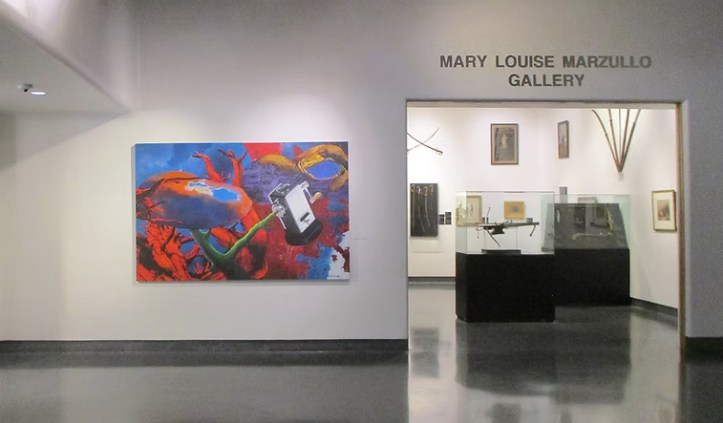
Among these collaborations, the relationship with the Museum of Arts & Sciences became particularly significant. It resulted in two exhibitions. Beyond the Plate presented a selection of plates, murals, and installations from the Rodriguez Ceramics Collection, exploring ceramics as a field of experimentation within contemporary art. Later, Women Artists in the Rodriguez Collection brought together works by women artists from different generations and artistic languages, demonstrating the diversity of Cuban art and its diaspora.
These exhibitions established a dialogue between a private collection committed to contemporary art and an institution that had preserved, since 1957, one of the most significant historical collections of Cuban art outside the Island. From that relationship came a more permanent gesture: the donation.
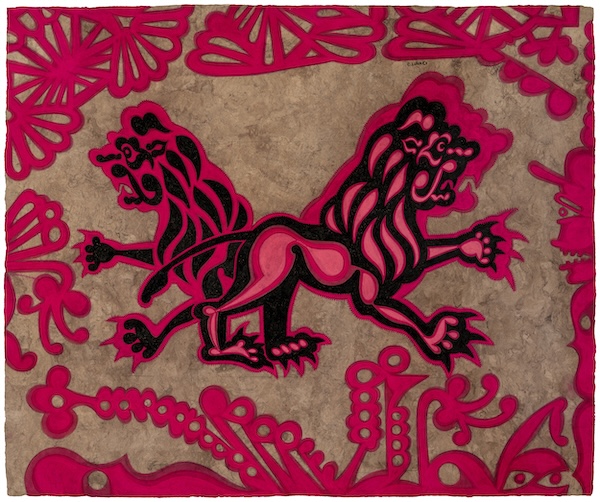
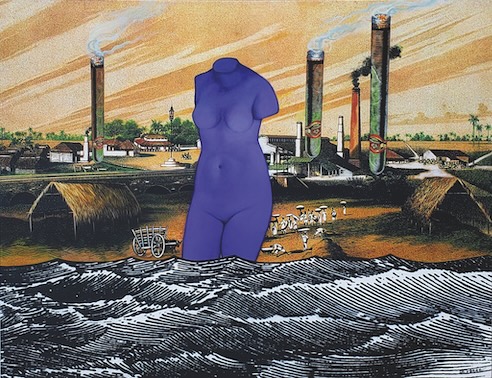
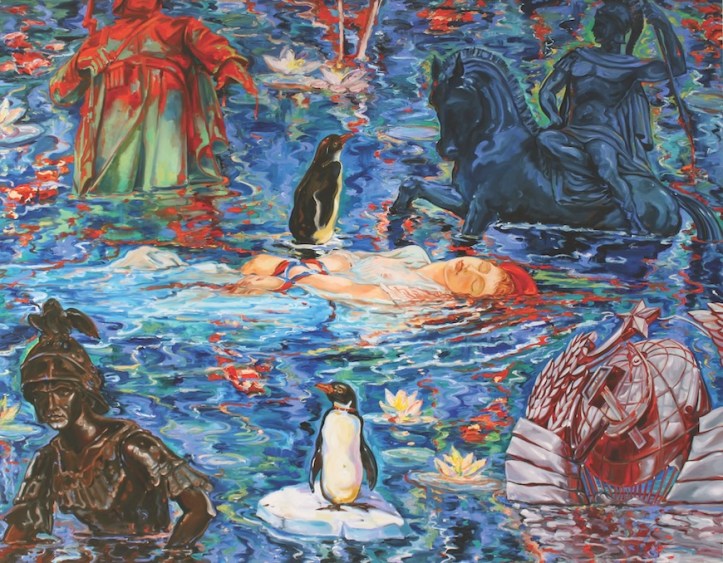
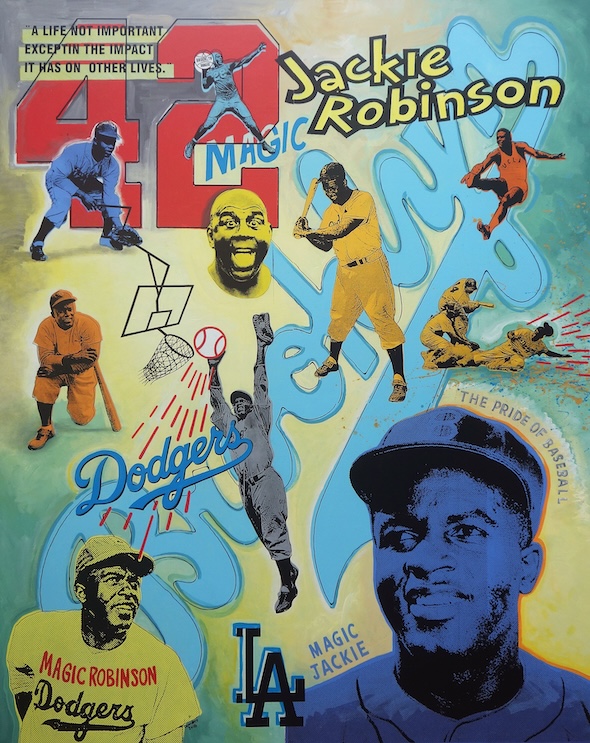
In 2020, fourteen paintings from the Rodríguez Collection entered the permanent collection of MOAS. The museum recognized the group as its most significant donation of artworks that year and its most important donation of Cuban art in six decades. The artists represented include Lisyanet Rodríguez, Ivonne Ferrer, Milena Martínez Pedrosa, Ciro Quintana, Noel Dobarganes, Jorge Santos Marcos, Adrián Menéndez, Néstor Arenas, Carlos Luna, Reynerio Tamayo, Aldo Menéndez, Patricio Rodríguez, Maikel Domínguez, and Pedro Ávila Gendis.
The sequence is significant: collaboration, exhibition, and finally donation. The exhibitions had created a curatorial dialogue with the museum’s historical holdings; the donation transformed that temporary dialogue into a permanent relationship. If Marta Fernández and Fulgencio Batista helped establish an important historical nucleus of Cuban art in Daytona Beach in 1957, more than six decades later Leonardo Rodríguez did something equally necessary: he helped ensure its continuity.
Two Donations, One Cuban History
The 1957 donation preserved an exceptional representation of the development of Cuban art through the mid-twentieth century. Rodríguez’s donation extends that narrative into the late twentieth and early twenty-first centuries, incorporating other generations, artistic languages, and experiences. Between them stands a decisive historical rupture: 1959.
From that moment forward, Cuban art can no longer be fully understood solely within Cuba’s geographical boundaries. Exile, migration, and diaspora transformed its cultural map. Miami became one of the principal centers of that production, and the incorporation of contemporary artists into MOAS acknowledges that the history of Cuban art continued to develop simultaneously on and beyond the Island.
This also raises the question of the collector’s responsibility. Every private collection begins with personal decisions, affinities, and circumstances, but some collections eventually acquire a responsibility greater than the individual who assembled them. Owning an artwork and preserving it are not exactly the same thing. When a work enters a museum, it no longer depends exclusively on the fate of an individual or family. It becomes part of an institution committed to preserving, studying, exhibiting, and making it accessible. This is where collecting can become cultural philanthropy.
Comparing these two donations does not mean equating the donors or the historical circumstances surrounding them. What matters is the continuity of a practice: the transfer of Cuban artistic heritage from the private sphere into a public institution. That gesture is the true connection between them.
One Museum, Three Centuries
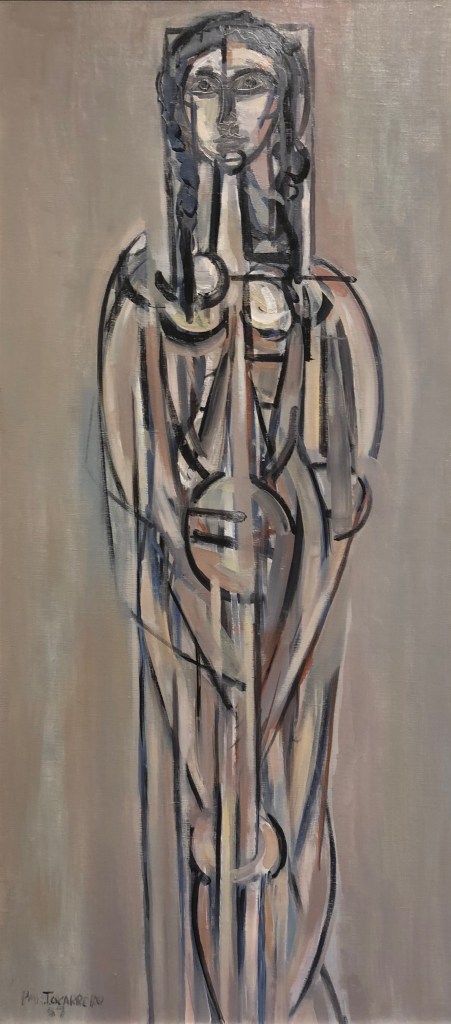
MOAS can now present a history of Cuban art that begins in the eighteenth and nineteenth centuries, moves through academic traditions, the avant-garde and twentieth-century modernism, and reaches contemporary practice. Few museums outside Cuba can construct such a narrative from their own collection.
Its significance is not exclusively museological. For students, scholars, and visitors, these works reveal a Cuba beyond the Revolution, the Cold War, and the political tensions between Havana and Washington: a complex, diverse, and persistent visual culture. Politics change, governments disappear, and generations pass, but artworks remain.
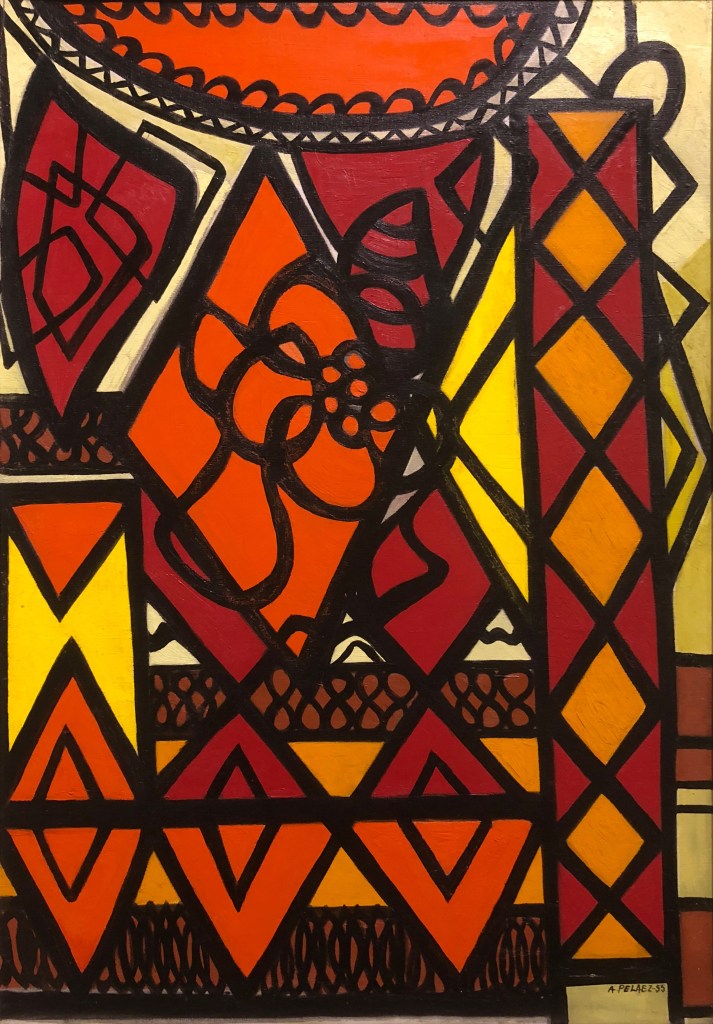
Between Romañach, Víctor Manuel, Amelia Peláez, or Portocarrero and Ciro Quintana, Carlos Luna, Reynerio Tamayo, Ivonne Ferrer, and subsequent generations lies more than chronological distance. There is a history of displacement, rupture, and continuity, but also another, less studied history: Cuban collecting as a form of cultural preservation.
Seen from this perspective, the Rodríguez Collection’s donation to the Museum of Arts & Sciences represents far more than the addition of fourteen paintings. It completes, updates, and extends a narrative begun there more than sixty years earlier. Two donations, two radically different moments in Cuban history, and one institution preserve a Cuban story that continues.
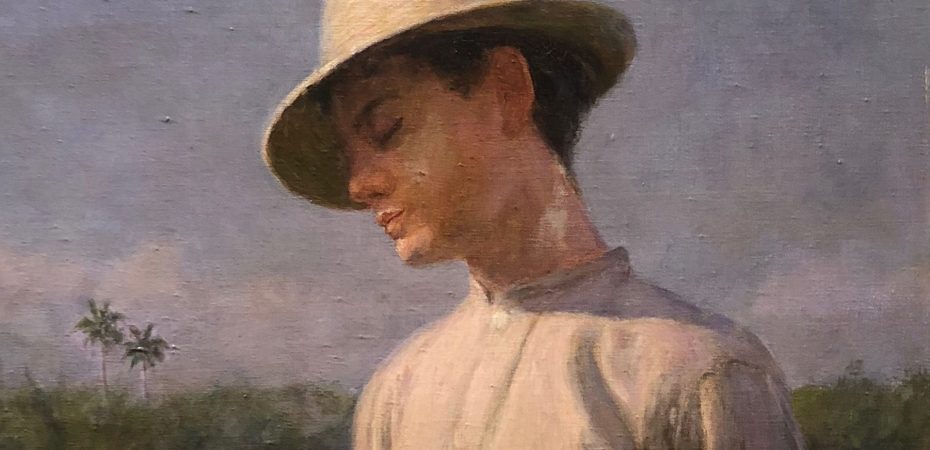
Featuring: Armando G. Menocal (1863–1942), Peasant Child, 1936. Oil on board.
Discover more from Art Sôlido
Subscribe to get the latest posts sent to your email.

